
Understanding Hormone Health Women Over 40
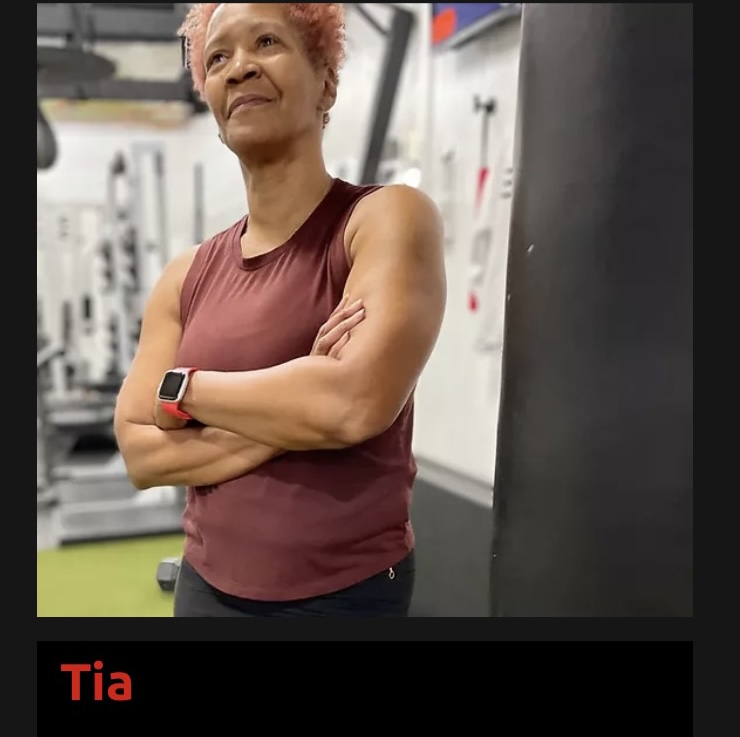
As we move into our 40s, our bodies begin to change in ways that can feel both surprising and challenging. One of the most significant shifts happens with our hormones. Hormones are powerful messengers that influence everything from our mood to our metabolism. Understanding hormone health women experience after 40 is essential for feeling vibrant, balanced, and in control of your well-being.
Hormonal changes are natural, but they don’t have to control your life. With the right knowledge and lifestyle choices, you can support your body through this transition and thrive beyond 40.
What Happens to Hormone Health Women Experience After 40?
Around the age of 40, many women notice changes in their bodies that signal shifts in hormone levels. Estrogen, progesterone, and testosterone, the key female hormones, begin to fluctuate and eventually decline. This process can start years before menopause and is often called perimenopause.
These hormonal changes can cause a variety of symptoms, including:
Hot flashes and night sweats
Mood swings and irritability
Fatigue and low energy
Weight gain, especially around the abdomen
Sleep disturbances
Changes in skin texture and hair thinning
Understanding these symptoms as part of hormone health women experience after 40 helps us approach them with compassion and practical solutions. It’s not about fighting your body but working with it.

How to Support Hormone Balance Naturally
Supporting your hormones naturally involves a combination of lifestyle habits that nourish your body and mind. Here are some effective strategies:
1. Prioritize Nutrition
Eating a balanced diet rich in whole foods can help regulate hormones. Focus on:
Healthy fats like avocados, nuts, and olive oil, which support hormone production.
Fiber-rich vegetables and fruits to help eliminate excess hormones.
Lean proteins to maintain muscle mass and stabilize blood sugar.
Avoid processed foods and excessive sugar, which can disrupt hormone balance.
2. Manage Stress
Chronic stress raises cortisol, a hormone that can throw your other hormones out of sync. Try:
Meditation or deep breathing exercises daily.
Gentle physical activities like walking or yoga.
Setting boundaries to protect your time and energy.
3. Get Quality Sleep
Sleep is when your body repairs and balances hormones. Aim for 7-9 hours of restful sleep by:
Keeping a consistent bedtime.
Creating a calming bedtime routine.
Avoiding screens and caffeine before bed.
4. Stay Active
Regular exercise helps regulate insulin and supports hormone balance. Choose activities you enjoy, such as swimming, dancing, or hiking.

Which Vitamin Is Best for Hormonal Imbalance?
Vitamins play a crucial role in supporting hormone health. While no single vitamin can fix hormonal imbalance, some are particularly beneficial:
Vitamin D: Often called the sunshine vitamin, it supports estrogen production and mood regulation.
Vitamin B6: Helps with mood swings and supports progesterone levels.
Magnesium: A mineral that aids in reducing stress and improving sleep quality.
Omega-3 Fatty Acids: Found in fish oil, these support hormone production and reduce inflammation.
Before starting any supplements, it’s wise to consult with a healthcare provider to tailor choices to your specific needs.
Practical Tips for Thriving Beyond 40
Embracing hormone health women experience after 40 means adopting habits that promote long-term wellness. Here are some actionable tips:
Keep a symptom journal: Track your mood, sleep, and physical changes to identify patterns and triggers.
Stay hydrated: Water supports all bodily functions, including hormone transport.
Limit caffeine and alcohol: Both can interfere with hormone balance and sleep.
Connect with others: Social support reduces stress and improves emotional health.
Consider professional guidance: A healthcare provider specializing in women’s health can offer personalized advice and testing.
Remember, small consistent changes often lead to the most sustainable results.
Embracing Your Journey with Confidence
Navigating hormonal changes after 40 is a unique journey for every woman. It’s normal to experience ups and downs, but with understanding and support, you can regain control and feel your best.
If you want to learn more about maintaining hormone balance for women over 40, there are many resources and communities ready to help you thrive.
Your body is resilient, and with the right care, you can embrace this new chapter with strength and grace. Keep listening to your body, be patient with yourself, and celebrate the wisdom that comes with age.
Thank you for joining me on this exploration of hormone health women experience after 40. Here’s to your vibrant, balanced, and joyful life ahead!


Comments