
Understanding Hormone Health Women Over 40
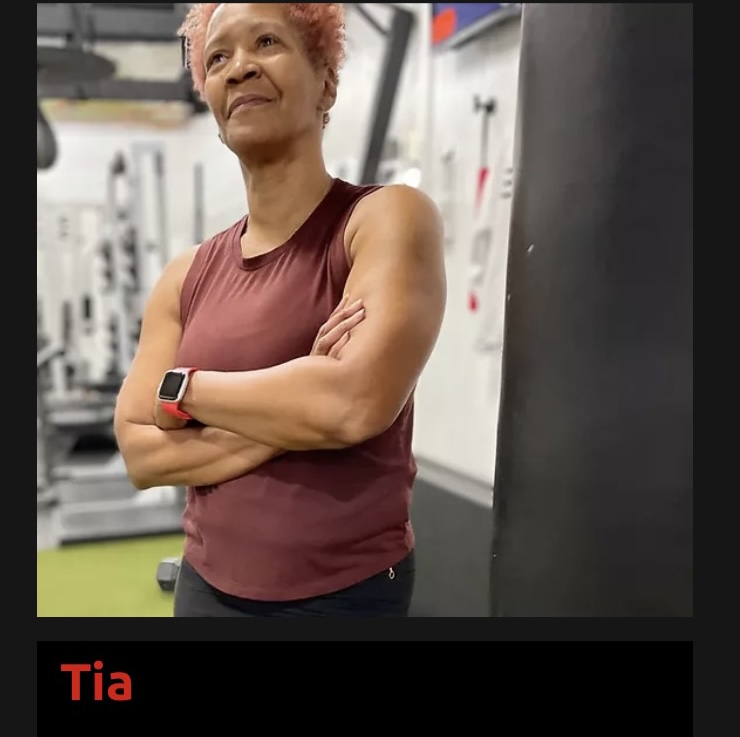
As we move into our 40s, our bodies begin to change in ways that can feel both surprising and challenging. One of the most significant shifts happens with our hormones. These tiny chemical messengers influence everything from our mood to our metabolism, sleep, and energy levels. Understanding hormone health women experience after 40 is essential for feeling vibrant and balanced during this exciting stage of life.
Hormones don’t just affect physical health; they also impact emotional well-being. When hormones are out of sync, it can lead to symptoms like fatigue, weight gain, mood swings, and sleep disturbances. But the good news is that with the right knowledge and lifestyle choices, you can support your body’s natural rhythm and thrive beyond 40.
What Happens to Hormone Health Women Experience After 40?
Around the age of 40, many women start noticing changes that signal shifts in hormone levels. This period is often called perimenopause, the transition phase before menopause. During this time, the ovaries produce less estrogen and progesterone, two key hormones that regulate the menstrual cycle and many other body functions.
You might experience irregular periods, hot flashes, night sweats, or mood changes. These symptoms are your body’s way of adjusting to new hormone levels. It’s important to remember that these changes are natural and manageable.
Supporting hormone health women need after 40 involves paying attention to lifestyle factors such as diet, exercise, stress management, and sleep. These elements can help balance hormones and reduce uncomfortable symptoms.

How to Support Hormone Health Women Over 40
Taking care of your hormone health after 40 means adopting habits that nurture your body and mind. Here are some practical steps you can take:
Eat a balanced diet: Focus on whole foods rich in fiber, healthy fats, and lean proteins. Foods like leafy greens, nuts, seeds, and fatty fish provide nutrients that support hormone production.
Stay active: Regular exercise helps regulate hormones, improve mood, and maintain a healthy weight. Aim for a mix of cardio, strength training, and flexibility exercises.
Manage stress: Chronic stress can disrupt hormone balance. Practices like meditation, deep breathing, or spending time in nature can calm your nervous system.
Prioritize sleep: Quality sleep is crucial for hormone regulation. Create a relaxing bedtime routine and aim for 7-9 hours of restful sleep each night.
Limit caffeine and alcohol: These can interfere with hormone levels and sleep quality, so moderation is key.
By making these changes, you create a supportive environment for your hormones to function optimally.
Which Vitamin Is Best for Hormonal Imbalance?
Vitamins play a vital role in maintaining hormone balance. While no single vitamin can fix hormonal imbalance, some are particularly beneficial for women over 40:
Vitamin D: Often called the "sunshine vitamin," it supports bone health and immune function. Low levels of vitamin D are linked to mood disorders and hormonal disruptions.
Vitamin B6: Helps regulate mood and reduce symptoms of premenstrual syndrome (PMS) and menopause.
Magnesium: Though technically a mineral, magnesium supports hundreds of biochemical reactions, including hormone production and stress reduction.
Vitamin E: Acts as an antioxidant and may help reduce hot flashes and other menopausal symptoms.
Before starting any supplements, it’s best to consult with a healthcare provider to tailor choices to your specific needs.

Lifestyle Changes That Make a Difference
Beyond vitamins and diet, certain lifestyle habits can profoundly impact hormone health:
Hydration: Drinking enough water supports metabolism and detoxification, helping your body maintain hormonal balance.
Avoid endocrine disruptors: Chemicals found in some plastics, cosmetics, and cleaning products can interfere with hormones. Opt for natural or organic alternatives when possible.
Regular health check-ups: Monitoring hormone levels and overall health helps catch imbalances early and adjust your wellness plan accordingly.
Mind-body connection: Practices like yoga, tai chi, or journaling can enhance emotional balance and reduce stress-related hormone fluctuations.
These small but consistent changes can help you feel more in control and energized.
Embracing Your Journey with Hormone Balance
Navigating hormone changes after 40 is a journey, not a quick fix. It’s about listening to your body, learning what it needs, and making choices that support your well-being. Remember, you are not alone, and many women find this phase to be a time of renewed strength and self-awareness.
If you want to explore more about hormone balance for women over 40, there are many resources and communities ready to support you. Embrace this time with kindness and curiosity, knowing that your health and happiness are worth the effort.
By focusing on sustainable lifestyle changes, you can empower yourself to thrive beyond 40 and enjoy a fulfilling, vibrant life. Your hormones are part of your story, and with the right care, they can help you write the best chapters yet.


Comments